Trying to choose between Old Town and the West End in Alexandria? You are not alone. Both areas offer very different home options, lifestyles, and price points, so the right fit depends on how you want to live day to day. This guide breaks down the key differences in housing, transit, amenities, and market positioning so you can compare them with more confidence. Let’s dive in.
Old Town at a Glance
Old Town is Alexandria’s historic core, with roots going back to 1749. Much of the area sits within a National Register Historic District, and city planning documents emphasize preserving its historic character, mixed-use waterfront areas, and townhouse-oriented residential fabric.
In simple terms, Old Town is best known for its historic feel, walkable blocks, and waterfront setting. If you picture brick rowhouses, main-street shopping, and a neighborhood where you can do a lot on foot, this is the clearest match.
West End at a Glance
The West End has a more modern and evolving identity. City planning materials describe Alexandria West as a multicultural, multilingual area with a mix of businesses and institutions, while the former Landmark Mall site is being transformed into West End Alexandria with retail, multifamily housing, townhomes, medical office, and the new INOVA hospital campus.
That gives the West End a different kind of appeal. Instead of historic preservation and waterfront streetscapes, you are looking at a larger-scale inland housing market shaped by redevelopment, new infrastructure, and a broader mix of housing types.
Housing Types Compared
Old Town homes
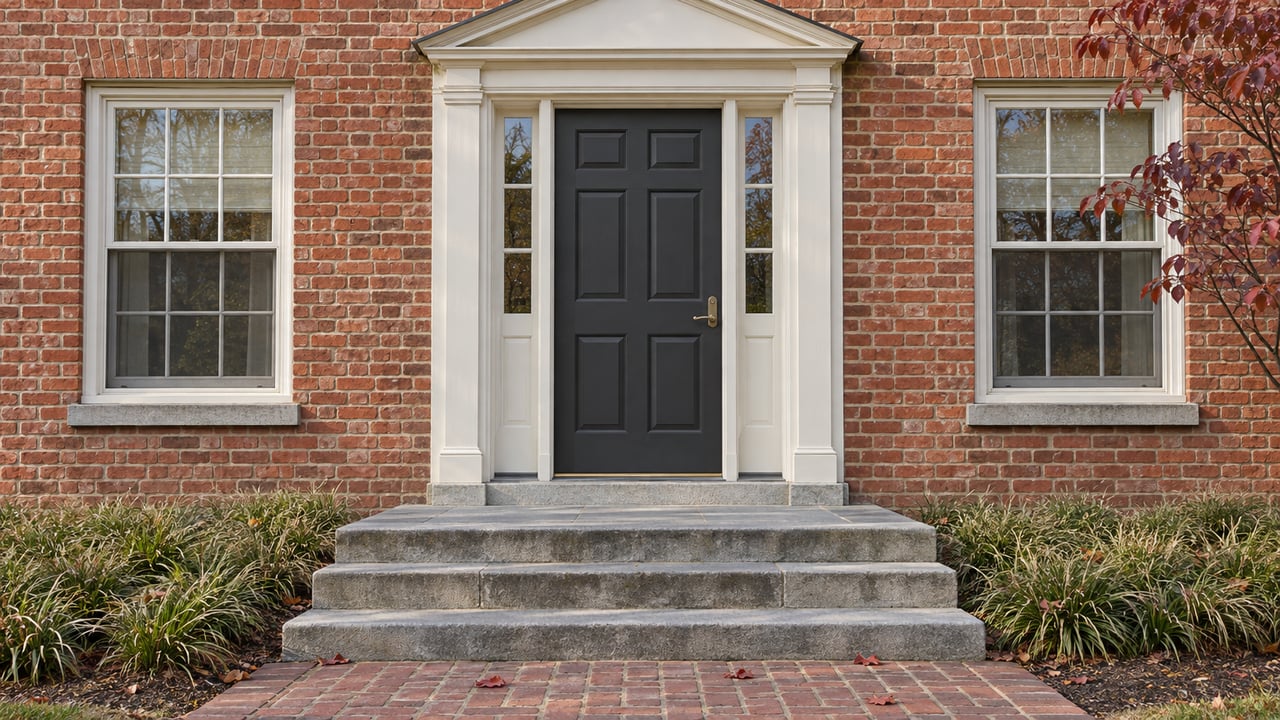
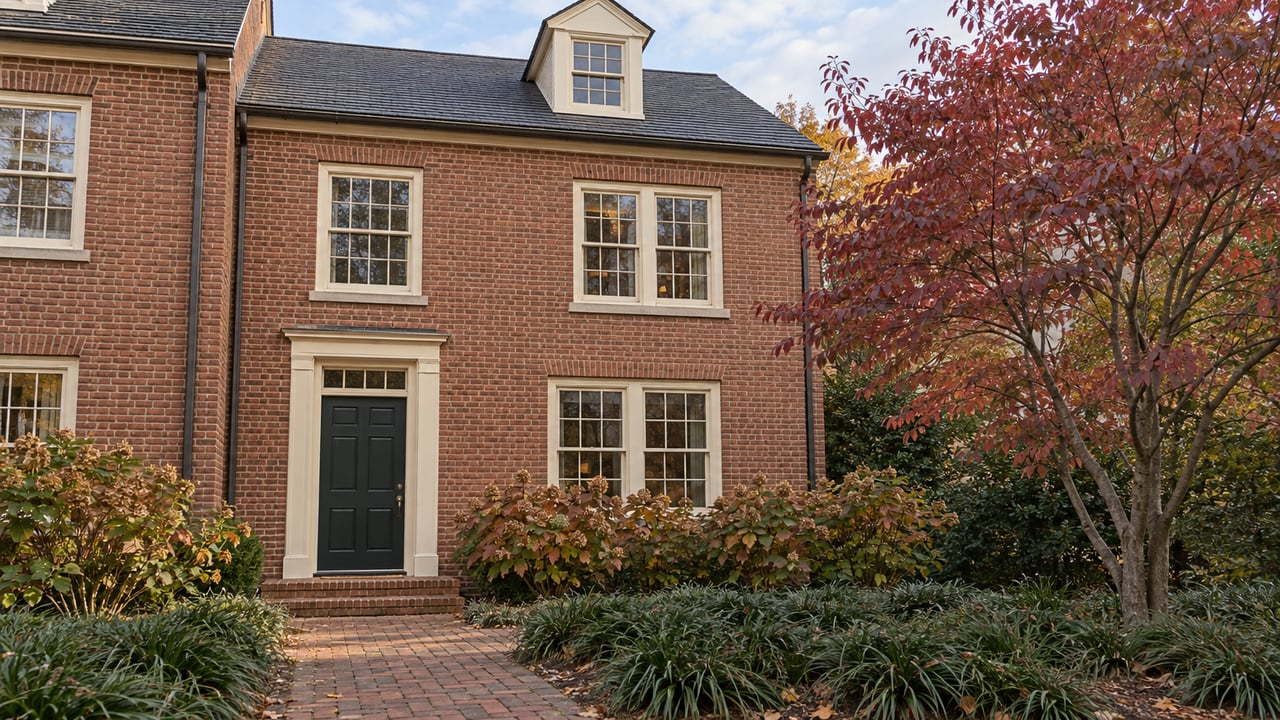
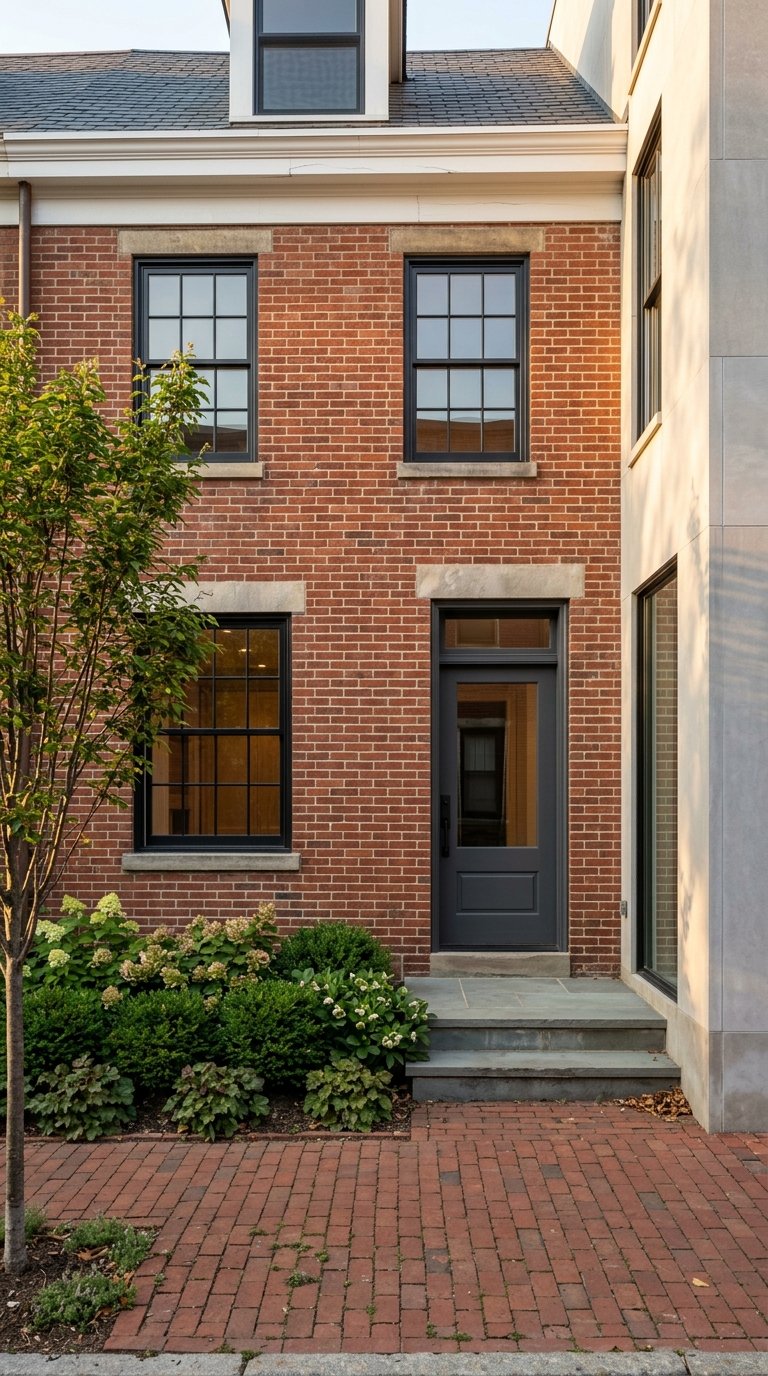
Old Town’s housing stock is heavily tied to townhouses and townhouse-like buildings. The city’s Old Town Small Area Plan states that the major portion of the area is townhouse residential, and city zoning analysis also points to a high concentration of townhouses and townhouse-like structures.
That matters if you are drawn to classic architecture and a more traditional urban streetscape. In Old Town, buyers often focus on historic rowhouse-style living, attached homes, and properties with strong architectural character.
West End homes
The West End offers a broader housing mix. City redevelopment materials highlight multifamily housing, townhomes, and large mixed-use projects, and Alexandria’s housing analysis notes that many condos assessed below $500,000 are in Landmark/Van Dorn and Alexandria West.
For you as a buyer, that usually means more condo communities, more apartment-style buildings, and newer townhome options. If flexibility and variety matter more than historic charm, the West End may give you more choices.
Historic Character vs Newer Flexibility
What Old Town preservation means
Old Town has a strong preservation framework. The Old & Historic Alexandria District is regulated locally through the Board of Architectural Review, which shapes exterior changes and new construction.
For some buyers, that is a major benefit because it helps protect the area’s visual character. For others, it may feel more limiting because exterior updates can involve added review and design constraints.
What West End redevelopment means
The West End is generally less defined by preservation rules and more by change. Its current identity is tied to redevelopment, new construction, and expanding transit-oriented infrastructure around major corridors and the former Landmark site.
That can be appealing if you want a neighborhood with future growth, newer product, and a more contemporary feel. It also means the West End may continue evolving in visible ways over time.
Transit and Commuting
Old Town access
Old Town has one of Alexandria’s strongest transit mixes. King St-Old Town is served by the Blue and Yellow lines and connects to DASH, Metrobus, and the free King Street Trolley to Old Town and the waterfront. It also sits across from Alexandria Station, which serves Amtrak and Virginia Railway Express.
Old Town also benefits from strong walkability. Redfin lists the neighborhood with a Walk Score of 84, and local planning materials describe King Street station as a major commuter station with strong regional connections.
West End access
The West End is more corridor-focused for commuting. Van Dorn Street is on the Blue Line, and the city is building out major transit improvements including the West End Transitway and the new West Alexandria Transit Center at the former Landmark Mall site.
Those projects are designed to connect Van Dorn, the future Landmark hub, Mark Center, Southern Towers, Shirlington, the Pentagon, and nearby neighborhoods. If your priority is access through a growing regional transit network, the West End has a strong long-term story.
Lifestyle and Amenities
Living in Old Town
Old Town’s amenities center around King Street and the waterfront. The city describes King Street as a thriving commercial corridor, and planning documents emphasize waterfront access, mixed-use development, pedestrian pathways, and small-scale retail.
You also get destination amenities that shape the neighborhood’s feel. The Old Town Farmers’ Market is a standout, and the city says it is the oldest continuously held farmers’ market in the country at the same site.
Living in the West End
The West End offers a more everyday, park-oriented lifestyle. Ben Brenman Park includes trails, fields, a playground, a dog area, and a farmers market, and the city’s market listings identify the West End Farmers’ Market there.
As redevelopment continues, the area is also gaining more retail and civic uses near the former Landmark site. If you value green space, practical convenience, and a neighborhood being actively reshaped, the West End may feel like the better fit.
Price Differences Matter
One of the clearest contrasts between Old Town and the West End is pricing. Zillow’s latest neighborhood-level data places Old Town’s average home value at $1,255,971, compared with $365,258 in Alexandria West and $368,140 in Landmark-Van Dorn.
Redfin shows a similar gap. Old Town’s median listing price is about $1.08 million, while Alexandria West’s median sale price is about $399,997.
The city’s housing analysis helps explain why. Old Town has a high concentration of townhouse-style homes, while many condos assessed below $500,000 are concentrated in Landmark/Van Dorn and Alexandria West.
For many buyers, that means Old Town sits in a much higher price tier. The West End often creates more accessible entry points, especially if you are shopping for a condo or looking for more budget flexibility.
Market Pace and Buyer Competition
Old Town and the West End also differ a bit in speed. Zillow reports Old Town homes pending in about 6 days, compared with about 8 days in Alexandria West and 18 days in Landmark-Van Dorn.
Redfin reports Old Town homes typically stay on the market about 16 days and receive about 2 offers. While neighborhood conditions can change home by home, the data supports the idea that Old Town remains a higher-priced but active segment of Alexandria’s market.
Which Area Fits You Best?
Choose Old Town if you want:
- Historic architecture and preserved streetscapes
- A walkable street grid and strong rail access
- Waterfront access and destination retail
- A townhouse-oriented housing stock
- A neighborhood where character matters more than budget flexibility
Choose the West End if you want:
- More flexible price points
- Condo communities and newer townhome options
- Access to redevelopment and future transit investment
- Park access and everyday convenience
- A neighborhood with a more modern and evolving feel
Final Thoughts on Old Town vs West End
There is no one-size-fits-all answer here. Old Town and the West End serve different buyers, different budgets, and different lifestyle goals. Old Town stands out for history, walkability, and waterfront appeal, while the West End stands out for housing variety, relative affordability, and growth tied to major redevelopment.
If you are weighing both, the smartest next step is to compare specific home types, commute patterns, and budget targets side by side. That is where a neighborhood-level, data-driven approach can really help you narrow the decision.
If you want help comparing Alexandria neighborhoods, pricing home options, or planning your next move, reach out to John Edwards, Realtor. He offers personalized, data-informed guidance to help you make a confident decision.
FAQs
Is Old Town Alexandria more expensive than the West End?
- Yes. Current neighborhood data shows Old Town at a much higher price tier, with Zillow reporting an average home value of $1,255,971 compared with $365,258 in Alexandria West and $368,140 in Landmark-Van Dorn.
What types of homes are common in Old Town Alexandria?
- Old Town is known for townhouses and townhouse-like homes, with city planning documents describing much of the area as townhouse residential.
What types of homes are common in Alexandria’s West End?
- The West End has a broader mix that includes condos, multifamily housing, townhomes, and large mixed-use redevelopment projects.
Which Alexandria area is better for walking and rail access?
- Old Town is generally the stronger fit if you want walkability and rail access, with service from the Blue and Yellow lines, local bus connections, the King Street Trolley, and access to Amtrak and VRE at Alexandria Station.
Which Alexandria area may offer more affordable condo options?
- The West End may offer more accessible condo price points, and the city’s housing analysis notes that many condos assessed below $500,000 are in Landmark/Van Dorn and Alexandria West.
How is the West End changing in Alexandria?
- The West End is being reshaped by redevelopment, including the West End Alexandria project at the former Landmark Mall site, which includes retail, multifamily housing, townhomes, medical office, and the new INOVA hospital campus.