Should you buy a shiny new townhome with modern finishes or a classic Herndon house with a larger yard? It is a real choice in today’s market, and the right answer depends on how you live, commute, and budget. In this guide, you will see the real tradeoffs on price, space, HOA fees, energy costs, and the buying process in Herndon. You will also get practical checklists and local context so you can move forward with confidence. Let’s dive in.
Herndon market snapshot
Herndon sits in Fairfax County near the Dulles Tech Corridor, with a typical sale price in the roughly $700k range. New home supply leans toward townhomes and stacked townhomes in small infill communities rather than large single-family subdivisions. You will see a handful of active new-home options in townhome communities that launched over the past few years.
Fairfax County updates property assessments annually, which can affect your carrying costs. Review the county’s latest assessment update and confirm the parcel you are considering on the county site before you finalize a budget. You can read the county’s recent assessment release for context on trends. Fairfax County’s 2025 assessment update is a good example of what to watch each year.
Transit is a big plus. The Silver Line now serves Herndon and Innovation Center, with garage parking and Fairfax Connector bus links. That puts Tysons and Downtown DC within reach by rail. See the Silver Line extension overview for station info and maps. The mean travel time to work for Herndon residents is about 27.9 minutes, which is helpful when you compare suburbs. You can view that metric from the county health dashboard at LiveHealthyFairfax.
New construction: what you get
Price, size, and finishes
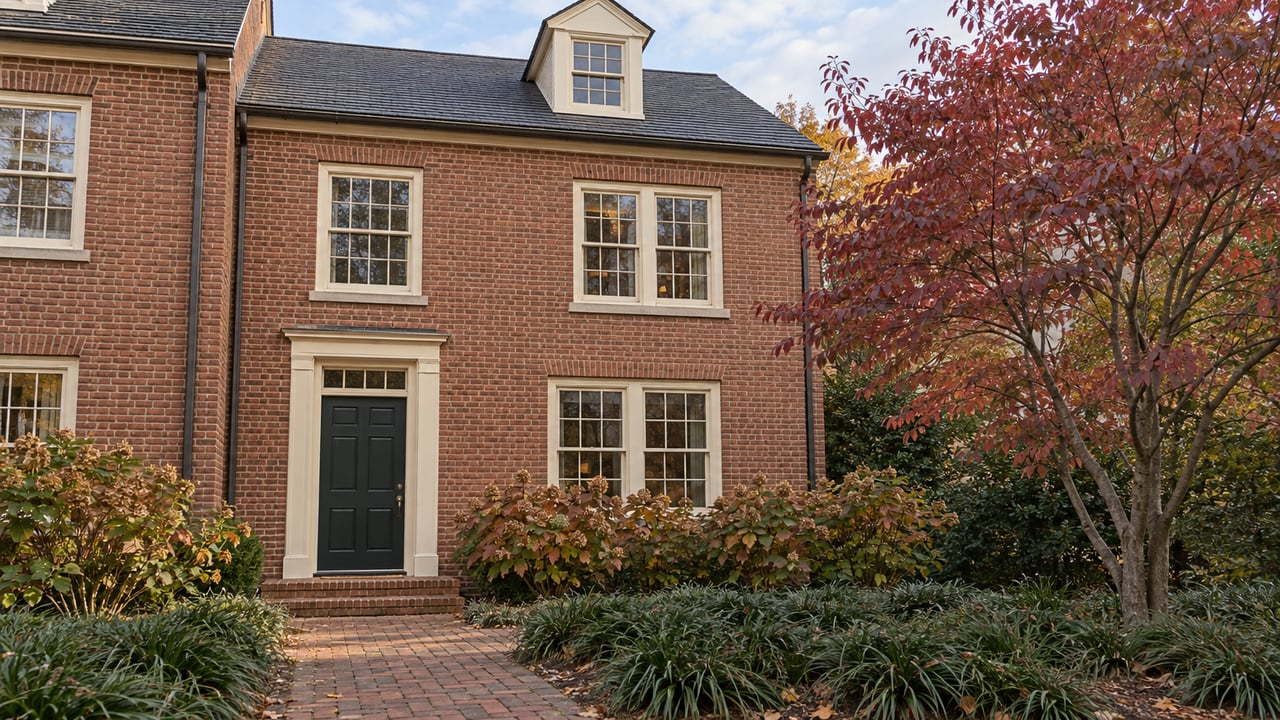
Recent new townhomes in Herndon often list from the low $700s to the high $900s, depending on size, end-unit premiums, and upgrades. Larger stacked townhome designs around 2,700 to 2,900 square feet often sell in the mid $800s to low $900s. Smaller three-level townhomes around 1,900 to 2,300 square feet tend to price in the low to mid $700s. Expect open plans, quartz counters, stainless appliances, and energy‑efficient systems.
Lot size and outdoor space
New-build townhomes here usually sit on compact lots, often around 0.03 to 0.05 acres. You get a small yard or patio and shared green space or pocket parks. If you are okay with less private yard in exchange for a low‑maintenance lifestyle, this can be a win.
HOA fees and services
Most new communities include an HOA that covers common area maintenance, trash and snow removal, and small community amenities. As one example, Arpina Valley by Van Metre shows a monthly HOA around $229 and lists what is included on its community pages. Review the specific HOA budget, reserves, and rules for any community you consider. See a sample community page for context at Van Metre’s Arpina Valley.
Established homes: what you get
Price, character, and updates
Existing single-family homes and older townhomes in Herndon span a wide range. You will find renovated bungalows and colonials in the high $600s to $900s, plus larger or well-updated homes above $1 million depending on lot size and improvements. Finishes vary by home, so factor in renovation costs if you want a more modern look.
Lot size and privacy
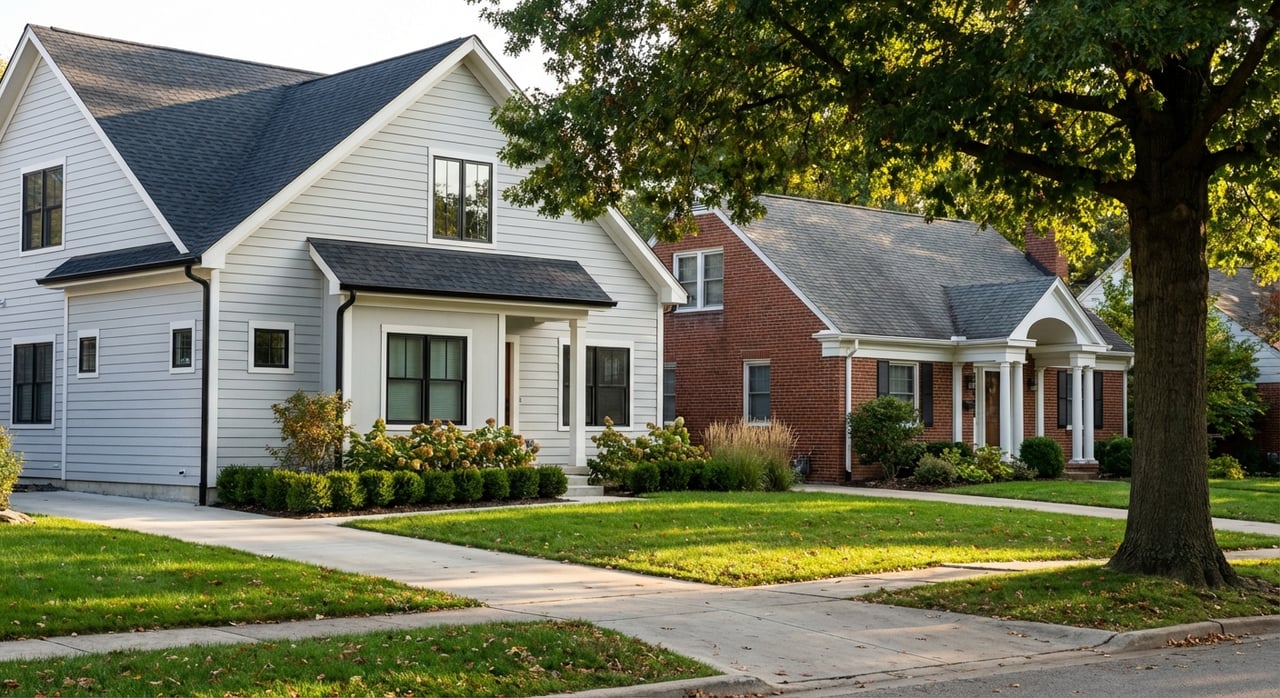
This is a major advantage of established neighborhoods. Many detached homes offer 0.2 to 1.0+ acre lots, which is useful if you want a private yard, pool, or room to expand. Old Town and nearby subdivisions include examples with 0.24, 0.69, and about 0.98 acre parcels.
HOA differences
Older single-family areas around Old Town often have no HOA or a voluntary civic association. Longstanding townhouse communities typically have HOAs, but fee levels and what they cover can differ from new builds. Always confirm what is included, rules for exterior changes, and any capital contribution due at settlement.
Energy costs and maintenance
Efficiency and monthly bills
New homes often perform better on energy use because of modern insulation, windows, and HVAC. ENERGY STAR materials indicate qualified new homes can be roughly 20 to 30 percent more energy efficient than older baseline homes, depending on code and equipment. Read the EPA’s overview on efficiency benefits for context: ENERGY STAR new homes summary.
Older homes may need upgrades to reach similar performance. That could include HVAC replacement, electrical work, added insulation, and window improvements. If you are looking at pre‑1978 homes, review EPA guidance on lead-based paint and plan for proper testing where needed. Learn more at EPA lead paint guidance.
Warranties and first-year costs
Most builders offer a limited workmanship warranty and a separate long-term structural warranty. A common pattern is a 1‑year limited warranty plus a 10‑year structural warranty, which can reduce your early repair risk. You can see how builders describe coverage on community pages like Van Metre’s Arpina Valley.
Resale homes typically do not include a structural warranty unless the seller provides a third‑party home warranty. Plan for near‑term items such as roof, HVAC, water heater, or window replacement based on age and inspection findings.
Taxes and assessments
Because Fairfax County reassesses annually, compare the current assessed value and tax rate for any address on the county site and budget for changes. The county posts summaries each year, such as the 2025 assessments update. Verify the latest numbers for your specific parcel.
Inspections, appraisals, and financing
Inspections for new and resale
Both new and established homes benefit from an independent inspection. New construction inspections often catch finish or construction details like grading, flashing, or insulation issues that the builder can fix before closing or under warranty. See common new-build findings in this Insulation Institute overview.
Financing differences
Buying a completed spec or quick‑move‑in home often uses a standard mortgage. If you are building from the ground up, you may need a construction or construction‑to‑permanent loan with different timelines and draw inspections. Learn the basics in this primer on how construction loans work.
Commute and location fit
If rail access is high on your list, target homes within a short distance of Herndon or Innovation Center on the Silver Line. See the Silver Line extension overview for maps. Proximity to the Dulles Toll Road, Route 28, and Dulles Airport is another Herndon strength. The average commute time for Herndon residents is about 27.9 minutes, according to LiveHealthyFairfax. Use that number as a baseline when you weigh neighborhoods against your work locations.
Real examples at a glance
Here are recent examples that show common tradeoffs in Herndon. Use current MLS data to confirm status and pricing before you tour.
- New construction, larger stacked townhome, Arpina Valley: about 2,700 sq ft, end-unit premium, HOA near $229 per month. Recent sales have closed in the mid $800s to low $900s.
- New construction, smaller townhome, Park Place near Innovation Center: about 1,962 sq ft on a 0.03‑acre lot. Recent list prices have been around the low $700s.
- Established single-family, Old Town area: lots from about 0.24 to 0.98 acres are common in select streets. Updated homes with larger lots have listed and sold above $1 million, while renovated smaller homes can fall in the high $600s to $900s range.
Which is right for you?
- Choose new construction if you want turnkey living, a modern layout, energy-efficient systems, and lower near‑term maintenance. This often fits first‑time buyers, busy professionals, downsizers, or frequent travelers who value convenience and transit access.
- Choose an established home if you want a larger lot, more privacy, or the ability to add on over time. This often fits move‑up buyers who prioritize outdoor space and can plan for updates across the next few years.
What to verify before you decide
- Compare recent neighborhood sales to confirm price trends and fair value.
- Review HOA documents for rules, fees, reserves, pet policies, insurance, and capital contributions.
- Confirm builder warranty details and any third‑party backing for new homes.
- Pull utility history for resales or ask for the energy model for new builds. Use EPA’s guidance to understand potential savings for newer homes. ENERGY STAR new homes summary
- Check Fairfax County assessments and the current tax rate for your parcel. County assessment update
- Talk with a lender early if you are considering a build or a home that is still under construction. Construction loan basics
Ready to zero in on the right fit in Herndon? Get local guidance, clear data, and a streamlined plan from John Edwards, Realtor. Let’s connect.
FAQs
What are typical HOA fees for new townhomes in Herndon?
- Many new communities include monthly HOA fees that cover common maintenance, trash, and snow; examples around Herndon show fees near the low $200s per month, but always confirm the latest budget and inclusions for the specific community.
How big are lots for new builds versus older homes in Herndon?
- New townhome lots are often compact, roughly 0.03 to 0.05 acres, while many established single-family homes offer about 0.2 to 1.0+ acres, which supports larger yards and more privacy.
Are new homes in Herndon more energy efficient than resales?
- Generally yes; EPA materials indicate qualified new homes can be about 20 to 30 percent more efficient than older baseline homes due to better envelopes, windows, and systems.
What inspections should I do for a new construction purchase in Herndon?
- Hire an independent inspector even for new builds and attend the builder’s pre‑settlement walkthrough; common punch‑list items include grading, flashing, and insulation details that can be fixed under warranty.
How does financing differ for a home that is still being built?
- Ground-up builds may require construction or construction‑to‑permanent loans with draw inspections and different timelines, while completed spec homes usually use a standard mortgage; consult a lender experienced with new construction early.