Thinking about making an offer on an as-is home in Alexandria? You’re smart to pause. Older properties here can deliver character and value, but they can also hide costly surprises. The good news is you still have important rights and tools to manage risk, even when a seller will not make repairs. In this guide, you’ll learn what “as-is” really means in Virginia, your inspection and financing options, and practical steps to protect your budget and timeline. Let’s dive in.
What “As-Is” Means in Alexandria
An as-is listing means the seller does not plan to make repairs or offer condition warranties. It does not automatically remove your right to inspect or the seller’s legal obligations. In Virginia, sellers generally must disclose known material defects. They also cannot actively conceal issues or misrepresent the property. If a listing says “as-is,” the details that matter most will be in the signed purchase agreement, not the marketing remarks.
Virginia is a buyer-beware state in many ways, so you want to read your contract language closely. Standard Virginia contracts include inspection and repair sections that you can use to preserve your rights. If you waive inspections, you’re usually accepting the property’s visible and hidden issues as your responsibility after closing.
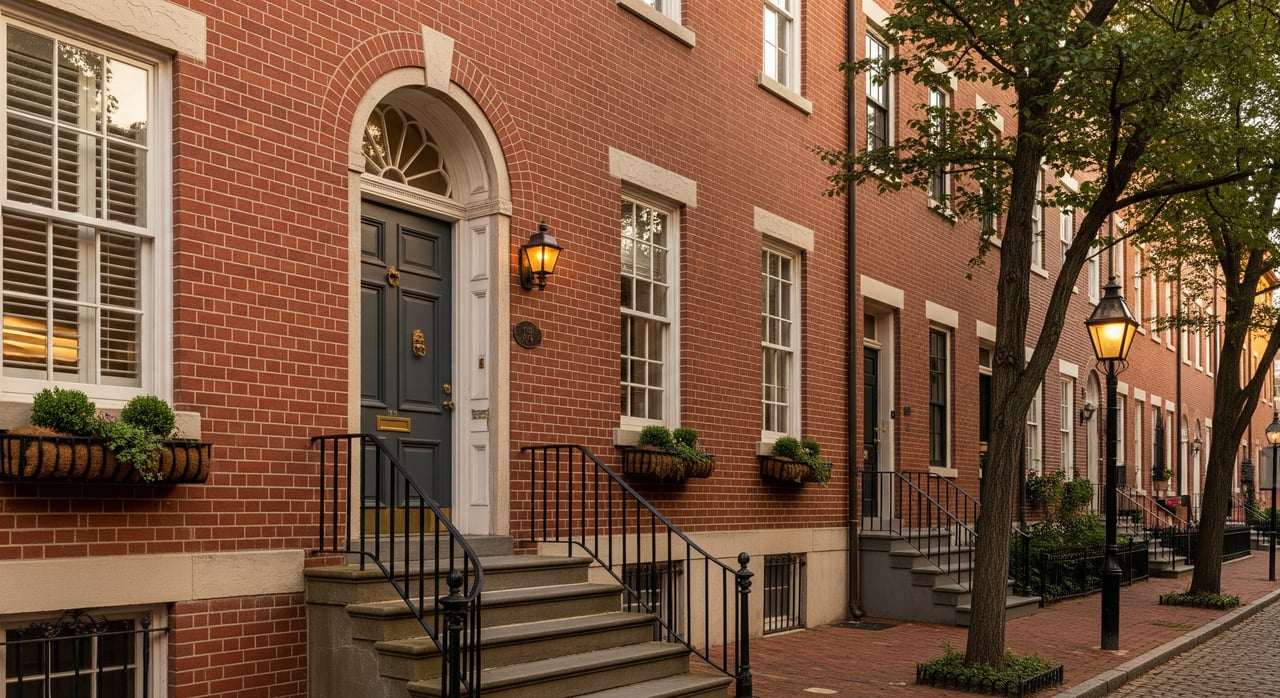
If the property sits in a local historic district, separate rules apply. Alexandria’s historic overlays, including Old Town, can restrict exterior changes and require approvals. Those requirements still apply on an as-is sale and can affect renovation scope, timing, and cost.
Your Inspection Options
You should assume you can inspect unless you explicitly waive that right. A full home inspection is your primary decision tool. From there, you can add specialty inspections based on the home’s age and red flags.
Common options include:
- General home inspection: a top-to-bottom visual review of structure and systems.
- Informational or attending inspection: same scope, with an emphasis on learning maintenance and priorities.
- Specialized inspections: sewer scope, chimney, structural engineer, roof, HVAC/boiler, electrical safety and grounding, termite/pest, radon test, lead-based paint risk assessment for pre-1978 homes, asbestos survey if you plan renovations, and targeted mold/moisture assessments.
For older Alexandria homes, a sewer scope, electrical safety review, and termite inspection are often wise. Properties near the Potomac or low-lying areas may also warrant extra attention to grading, drainage, and flood risk.
Remember the limits. Standard inspections are visual and non-destructive. If you suspect structural movement or major foundation issues, bring in a structural engineer for a written report.
A Simple Inspection Workflow
Schedule a comprehensive home inspection as soon as your contract is accepted.
At the same time, order high-impact specialty inspections like sewer scope, termite, radon, and lead (for pre-1978) so you have results before your contingency period expires.
Use the findings to get real contractor estimates for major items. This helps you budget, decide what is a deal-breaker, and negotiate credits or price.
Financing, Appraisals, and “As-Is”
Appraisers estimate the property’s market value as-is and note significant condition issues. Lenders then decide whether repairs are required for the loan. That means health, safety, or habitability concerns can trigger repairs even when the seller says no.
Program highlights to know:
- Conventional loans: Many lenders follow Fannie Mae and Freddie Mac guidance. Some allow limited repair escrows or holdbacks, but policies differ by lender and investor.
- FHA loans: FHA uses minimum property standards focused on safety and soundness. Repairs may be required before closing. If you need to finance updates, renovation programs are available.
- VA loans: VA has minimum property requirements similar in spirit to FHA. VA appraisers and underwriters will flag items that must be addressed.
- Renovation financing: Options like FHA 203(k) and Fannie Mae HomeStyle let you finance certain repairs or improvements into your mortgage, which can be ideal if the seller will not complete work.
If an appraisal comes in below your contract price, or the lender requires repairs, you have several paths. You can renegotiate price, ask for a seller credit, switch to a renovation loan, bring cash to close, or cancel if your contingencies allow.
Decide With a Risk-Reward Framework
Buying as-is can be a smart move if you weigh upside against risk and plan your budget and timeline.
Consider three buckets:
- Investment upside: lower purchase price, renovation value, ability to customize.
- Financial and transaction risk: unknown repair costs, lender-required fixes, potential appraisal gaps, permit and historic approvals, resale perceptions.
- Personal tolerance: your timeline, willingness to manage contractors, access to cash reserves or renovation financing.
Four-Step Decision Flow
Pre-offer due diligence: Request the seller’s disclosure, review public permits and any historic status, and check flood maps. If timing allows, pursue a pre-offer walkthrough with a contractor or inspector.
Offer strategy: Keep an inspection contingency with a realistic timeline. Consider appraisal and financing contingencies. Spell out potential remedies such as credits or the right to terminate if serious issues appear.
Post-inspection negotiation: Sort findings into “must-fix for safety/lender,” “budgetable,” and “defer.” Use written estimates to support a price reduction, seller credit, or targeted repairs by licensed contractors. If you cannot reach a workable outcome and your contingency allows, you can walk away.
Financing and closing: Confirm your lender’s tolerance for the property’s condition. If required repairs or scope is large, pivot early to a renovation loan product. Arrange re-inspections for any agreed work.
Mitigation Tactics That Protect You
- Build a contingency fund: Set aside 5 to 15 percent of the purchase price for unknowns. Adjust as your inspection results come in.
- Get bids before you finalize: Written estimates from licensed pros strengthen your negotiation and keep budgets realistic.
- Prioritize water first: Fix drainage, gutters, grading, and leaks before finishes. Water issues drive the most long-term damage.
- Verify permits and past work: Confirm that prior renovations were permitted and closed. Unpermitted work can be costly to bring into compliance.
- Respect historic rules: If you plan exterior changes in Old Town or a historic district, factor in design constraints and review timelines early.
- Plan for older-home hazards: For pre-1978 homes, budget for lead-safe practices during any renovation and consider a lead risk assessment. Evaluate electrical capacity, grounding, and panel condition for modern loads. Ask about cast-iron or galvanized piping, sewer laterals, and aged roofing.
- Consider coverage: A home warranty can help with major systems, subject to exclusions for pre-existing conditions. If flood exposure is possible, review flood insurance options.
Local Resources
- Learn about Alexandria’s historic districts and review processes through the City of Alexandria’s historic preservation program. City of Alexandria Historic Preservation
- Check whether prior work was permitted and closed by searching the city’s permitting resources. City of Alexandria Permits
- Confirm your inspector’s and contractor’s credentials with state regulators. Virginia DPOR License Lookup
- Understand lead-based paint rules and the federal 10-day inspection option for pre-1978 homes. EPA Lead Information
- Evaluate a property’s flood zone and insurance needs before you bid. FEMA Flood Map Service Center
- Explore FHA renovation financing options that can roll repairs into your mortgage. HUD FHA 203(k)
- Review VA loan benefits and property requirements for VA-backed financing. VA Home Loans
- Compare conventional renovation financing for larger projects. Fannie Mae HomeStyle Renovation
If you want a clear plan for buying an as-is home in Alexandria, let’s talk through your goals, risk tolerance, and financing options, then map the right inspection and negotiation strategy. Reach out to John Edwards, Realtor to get started.
FAQs
What does “as-is” mean for a Virginia home purchase?
- It signals the seller will not make repairs or offer condition warranties. Your inspection rights and the seller’s duty to disclose known material defects still apply unless you waive them in your contract.
Can I inspect an as-is home in Alexandria?
- Yes, unless you explicitly waive inspections in your offer. A full home inspection plus targeted specialty inspections is the best way to quantify risk and budget.
How do lenders handle repairs on as-is properties?
- Appraisers note condition issues and lenders may require health and safety repairs before closing. Renovation loans like FHA 203(k) or Fannie Mae HomeStyle can finance needed work.
What should I budget for hidden issues in older homes?
- A common approach is a 5 to 15 percent contingency based on age, condition, and inspection findings, with priority on water management, electrical safety, and sewer laterals.
What if the appraisal comes in low on an as-is purchase?
- Typical options include renegotiating price, seeking a seller credit, bringing cash to close, switching to a renovation loan, or canceling if protected by contingencies.